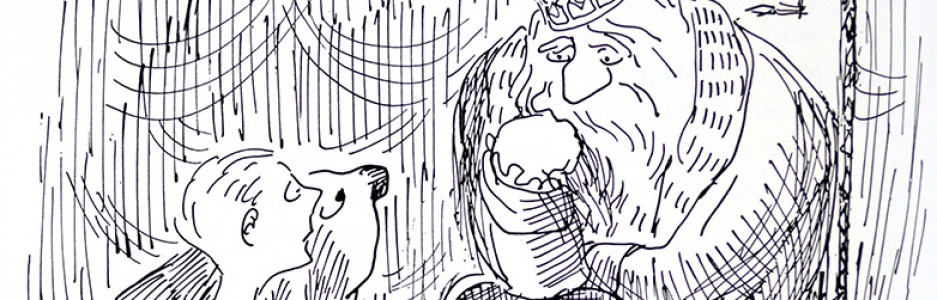
Themes and Lore of The Last Jedi

The Last Jedi has been around for a couple of weeks now, and everybody seems to have a strong opinion one way or the other. There have been plenty of good and even a few great articles written about how the disruptive nature of its narrative is a positive direction for the franchise, while some supposed fans have complained that it is too much of a departure, that it is somehow no longer Star Wars.

This latter complaint is the one I want to address, because I believe The Last Jedi to be VERY much in line with Star Wars lore and (more importantly) its thematic elements. Those who want it removed from the canon are not only ridiculous but also clueless about the fact that this movie continues traditions that are in every part of the canon.

I will not be addressing scene-by-scene questions that other people have called “plot holes” in the movie. I have found that multiple viewings with these questions in mind demonstrate that Rian Johnson already put the answers to nearly every one of them in the movie itself (from “why doesn’t Holdo tell Poe?” to “how does DJ find out about the shuttles?”). Nitpicking lesser details may be possible, but that’s true of every Star Wars movie, including the supposedly holy Empire Strikes Back. Star Wars has never been perfect.

Rather, I want to talk about two primary themes of The Last Jedi and how they relate to the rest of the canon. I will talk far beyond the 9 theatrical movies and delve into shows and books and games as well. You see, I like Star Wars. And I am tired of people who only like two and a half movies trying to tell everyone else what Star Wars is about.

[SPOILERS below for pretty much all of Star Wars.]

Continue reading →

Postcolonial Steampunk RPGs NOW!

Okay, that does it. I’m changing my attitude.

For the past couple of years, I have watched a variety of steampunk settings appear, some for existing systems and a few with their own systems. Each time a new one showed up, I have breathed a sigh of relief when I saw that they were doing the same old ahistorical, pro-colonial claptrap with magic (or sometimes horror) thrown into it, because it meant that Steamscapes remained unique.

But no more.

I am here not only to encourage but to demand more postcolonial steampunk RPGs as soon as possible.

Continue reading →

Diversity and Being Part 2 – Writing

A few days ago, I was inspired by a frustrated (I think we should give more credit to frustration as inspiration) article written by Tanya DePass of I Need Diverse Games. Her article led me to think about what I do in both my consumption and production of media with regard to people that are different from me and experiences that are different from my own.

Note – Before I dig into this topic, it’s important to acknowledge that anything I say here is built on the work of many other people who have done much more thinking about this than I have. If you are a writer of any kind, you should absolutely read Writing the Other by Nisi Shawl and Cynthia Ward. That’s a good place to start.

Continue reading →

Diversity and Being – Part 1: Aspiring

This will be a two-part exploration on writing diverse characters. This first part focuses more on the need for such characters and how we should approach them as audience members. The second part will dig into how I address this as a writer and game designer, including how this approach helps me to write “for” rather than “about.”

Tanya DePass of I Need Diverse Games reminded us just yesterday of the tired and stupid argument against diversity that there is somehow a zero-sum game of aspirational hero characters in movies, games, comics, etc. That somehow making more A-list properties with characters that are women, or black, or gay, or (heaven forbid) all of the above will take heroes away from straight white males.

Tanya’s post dismantles this complaint pretty handily, so I don’t need to add anything to that. But there’s another side of this that I want to address:

What does it mean to aspire? Continue reading →